13: Toasters are Weird
PHYSICS
Why are we able to do so many magical things by sticking two metal prongs into the wall? We'll take a closer look at kitchen appliances through electricity, motors, pressure – and learn what refrigerators can tell us about the fate of the Universe.
The five lessons
Lesson 1
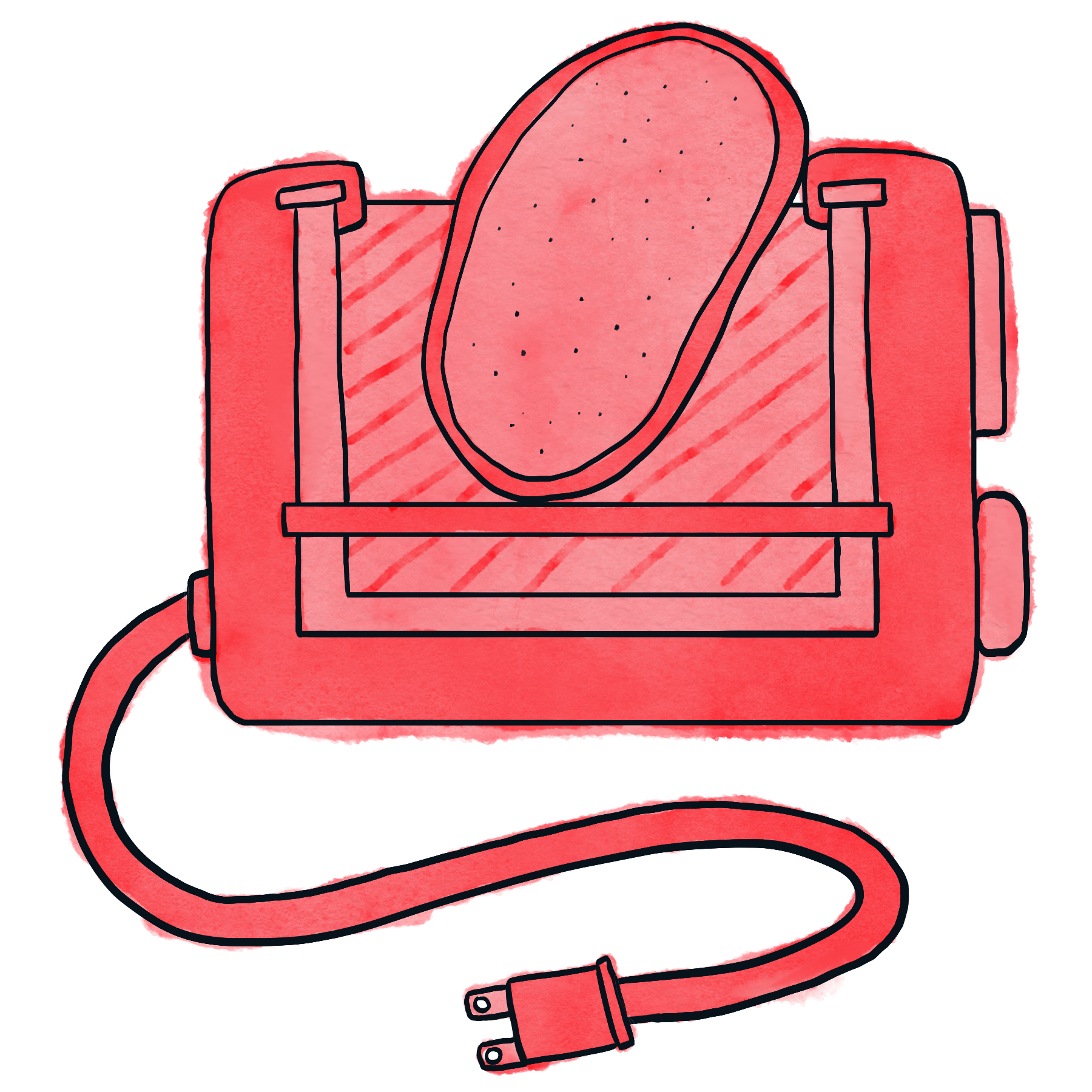
How does a toaster turn bread into toast?
This is the sixty-first lesson of our Big Course... and the first lesson of Year 3. Along the way to the answer, you'll learn that in order to answer this, you'll need to understand what electricity actually is, and why it turns into heat. By the end, you'll understand why you shouldn't stick a fork into a toaster – especially if you live in Europe.
Lesson 2
What happens when you turn on a faucet?
This is the sixty-second lesson of our Big Course. Along the way to the answer, you'll learn why it takes so long for your water to warm up, and why in some homes the water is clear, but in others, it's frothy.
Lesson 3
Why do motors spin?
This is the sixty-third lesson of our Big Course. Along the way to the answer, you'll learn the magic that motors contain, and why motor magic is so important for all the other wonders that happen in the kitchen.
Lesson 4
How do we make a fridge cold?
This is the sixty-fourth lesson of our Big Course. Along the way to the answer, you'll talk about how your fridge is like an accordion, and explore what it can tell us about how the universe might die.
Lesson 5
How does a microwave heat food... but doesn't get hot?
This is the sixty-fifth lesson of our Big Course. Along the way to the answer, you'll learn why people say you shouldn't microwave metal, and if microwaves are actually safe.
Free preview coming soon!
Secret Sixth
What's so great about induction ranges (and what's not so great)?
This is one of our off-the-book "Secret Sixth" lessons; specifically, the one for "Toasters". But trust us, you won't want to miss it...
Free preview coming soon!